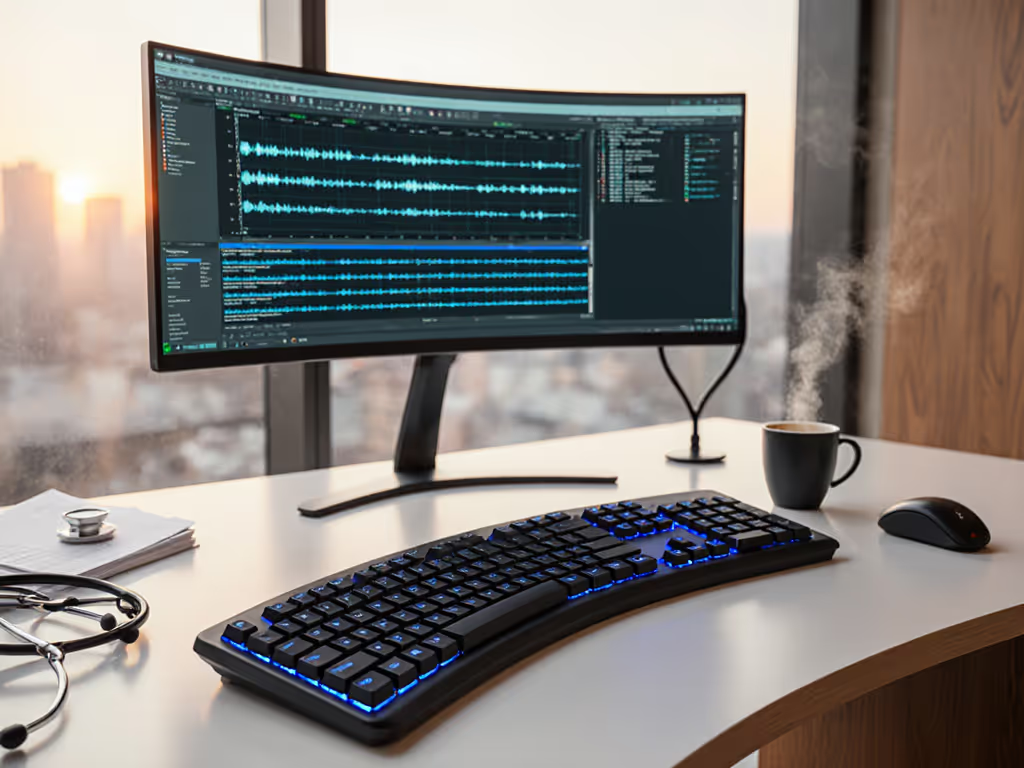
Choose a wireless medical transcription keyboard that boosts accuracy and reduces strain - covering latency, acoustics, ergonomics, security, and top picks.
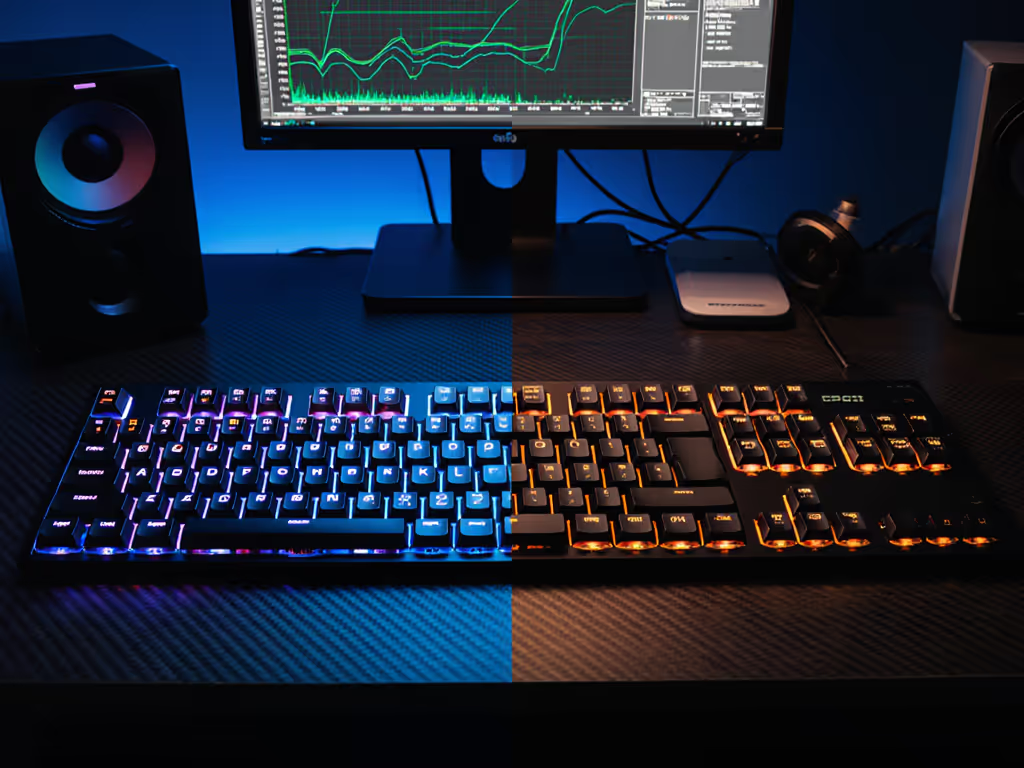
Understand why OLED display tech, not touchscreen form, drives reconnection speed, legibility, and power use, with tested guidance for RF-heavy workspaces.
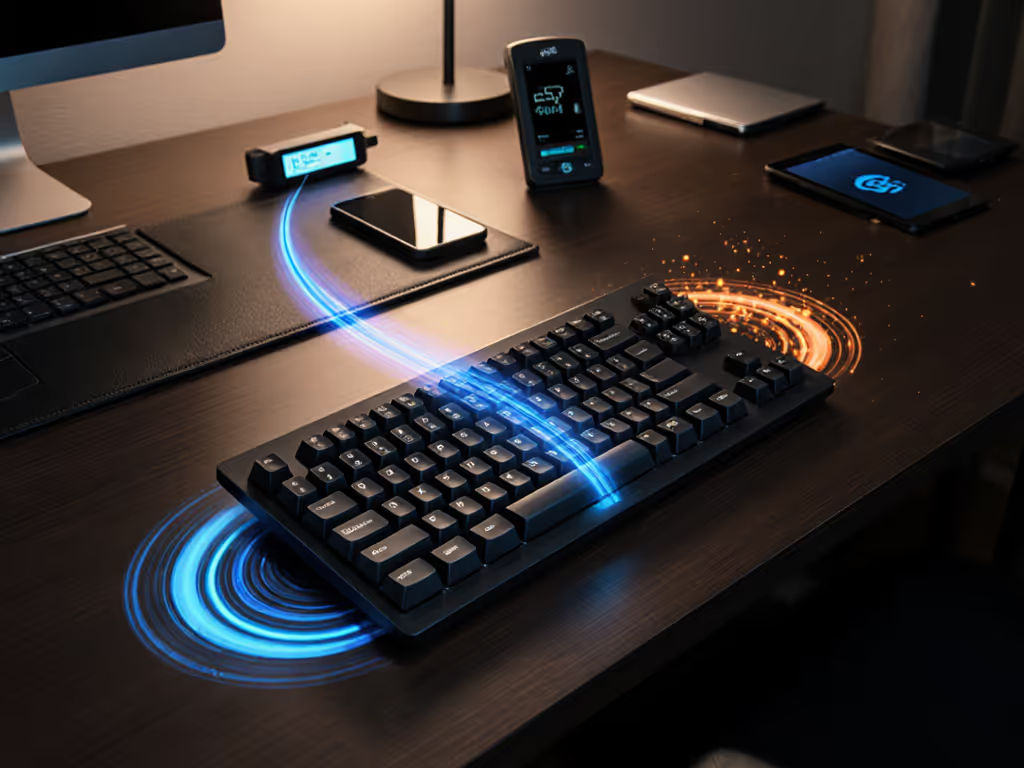
Discover how UWB keyboards use time-of-flight spatial sensing for instant, secure multi-device switching, plus what to check: FiRa, firmware, OS profiles.
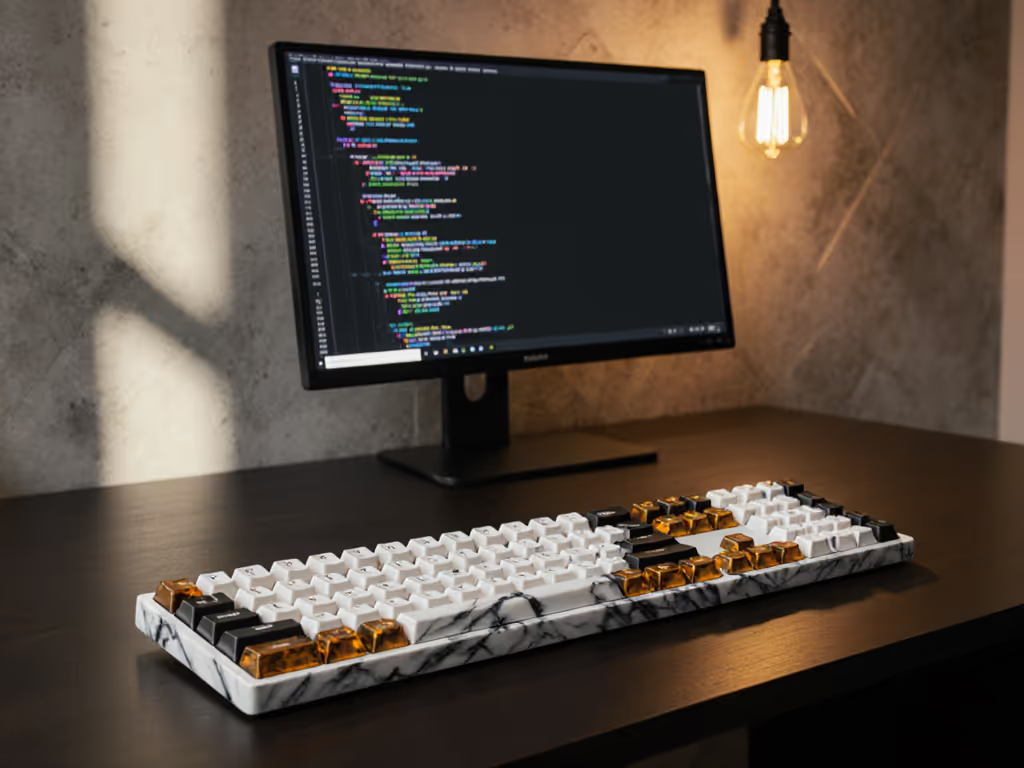
Decide if marble, resin, or concrete wireless keyboards enhance focus: explore Hall Effect stability, acoustics, connectivity, weight trade-offs, and tips.
Choose wireless keyboards that sidestep regional layouts with tested picks. Learn connectivity tradeoffs, OS-agnostic remapping, and real-world battery life.
Learn how USB-C pass-through in wireless keyboards works and what to test: bandwidth, power, firmware, and OS to enable seamless cross-platform switching.
Learn which certifications ensure a wireless keyboard vanishes into your workflow: FCC for RF stability, CE/EN 18031 for security, RoHS and WEEE for longevity.
Cut context-switch lag: latency tests, RF resilience, and battery truths reveal how to pick and configure AI-ready keyboards for seamless multi-OS workflows.
Learn why RF stability - not hot-swap hype - defines keyboard longevity. See real test data, failure patterns, and what to prioritize for durable wireless setups.
Learn how BLE keeps silent keyboards responsive and efficient - faster wake, longer battery, fewer dropouts - and get practical specs, tests, and OS tuning tips.
Real-world tests contrast Bluetooth and 2.4GHz on latency, reliability, battery life, and OS switching. Learn how to pick the right mode for your workflow.